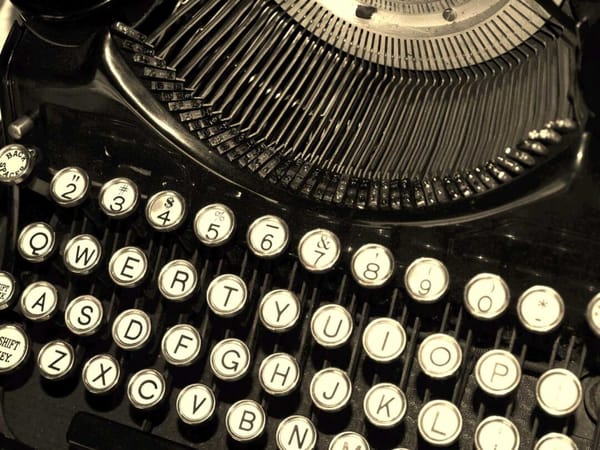
How is skepticism different than cynicism? A skeptic is a doubter. A cynic is a disbeliever.
It's important that you understand the difference. I think this article explains it very well. I should note that I'm writing this as a 'hopeful' sceptic so, based on The Associated Press Stylebook differentiation that, “A skeptic is a doubter. A cynic is a disbeliever”, being a hopeful sceptic is doubly positive. That's a good start...
 Merrill Perlman
When searching for a title for this blog, I was happy with the word 'sceptic' in the title but felt it needed an adjective to add a little oomph, maybe a bit of mischief. I threw some out to my family: curious, optimistic, happy. However, it was 'hopeful' that found most favour and, in fairness, it was my choice too. It has a feelgood factor which, in these turbulent times, shouldn't be dismissed lightly.
So, as the article below, emphasises, 'hopeful skepticism' is where it's at - for me, anyway. As for the spelling, I'm Irish and will default to 'sceptic' unless I'm quoting some US skeptics or their devotees.
 Bruce Y. Lee
To avoid too much darkness (and cynicism) in these dark days, this book, by Stanford Psychologist Dr. Jamil Zaki may have the cure—a “ray of light for dark days” (Adam Grant, #1 New York Times bestselling author).
 Learn more about this author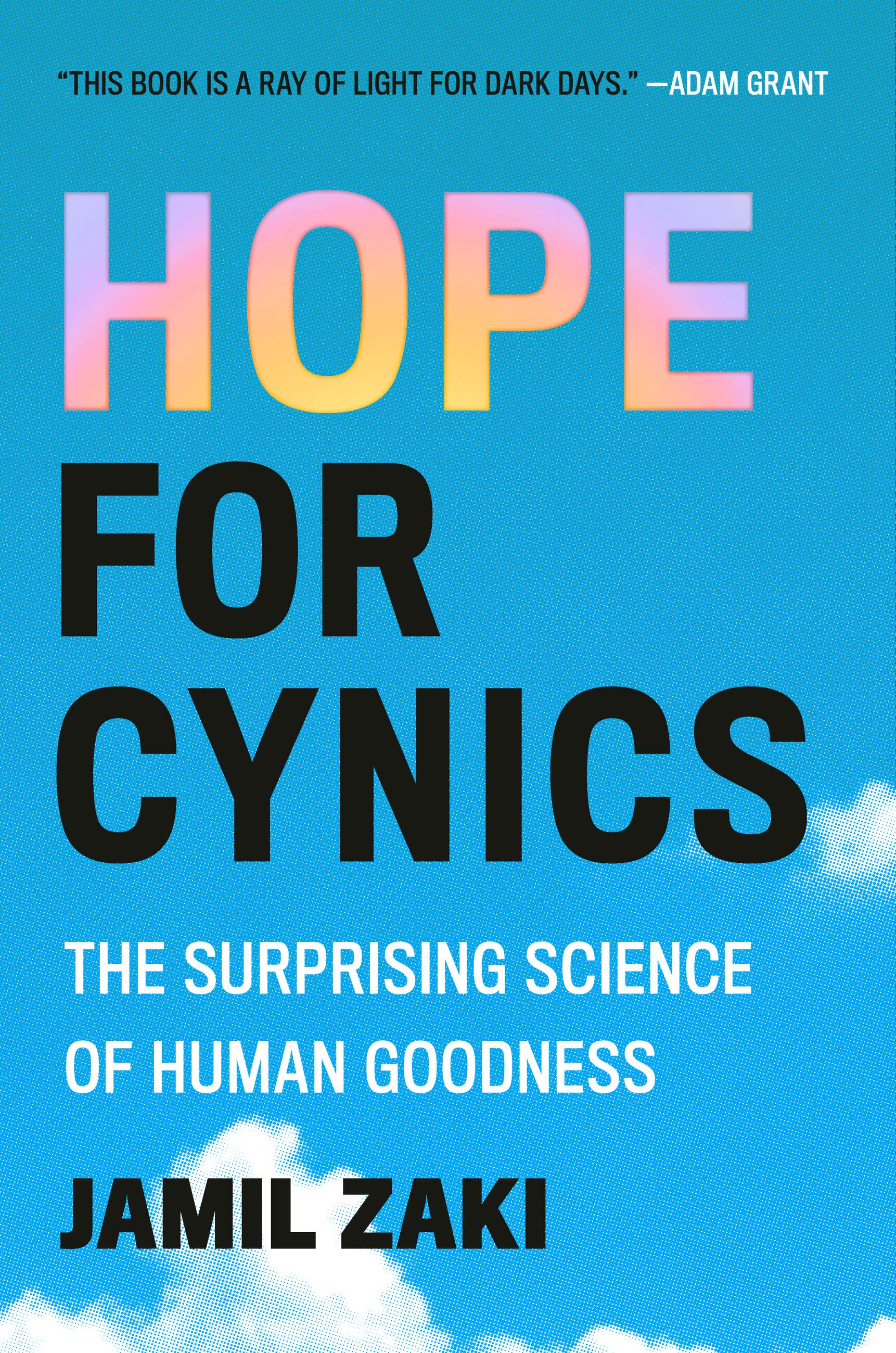
That's it. A cynic is a disbeliever. A sceptic, on the other hand, is a doubter. And this one hopefully doubts...